How to partner with a website developer
You can either spend hours trying to figure out code, debugging things that should have taken five minutes and limiting your designs to what you know you can build…
Or you can partner with a developer.
Working with a website developer doesn't just take the technical work off your plate. It gives you the freedom to focus on what you do best: creating beautiful, strategic designs for your clients.
Over the years I've worked alongside branding designers, website designers and creative studios, turning their dreamy designs into responsive Squarespace and Shopify websites. What I’ve learned is that the best projects are always the ones where we work as one team, with clear communication, realistic expectations and mutual respect.
If you're thinking about outsourcing development for the first time (or you've had a mixed experience before), here's what makes a successful designer-developer partnership.
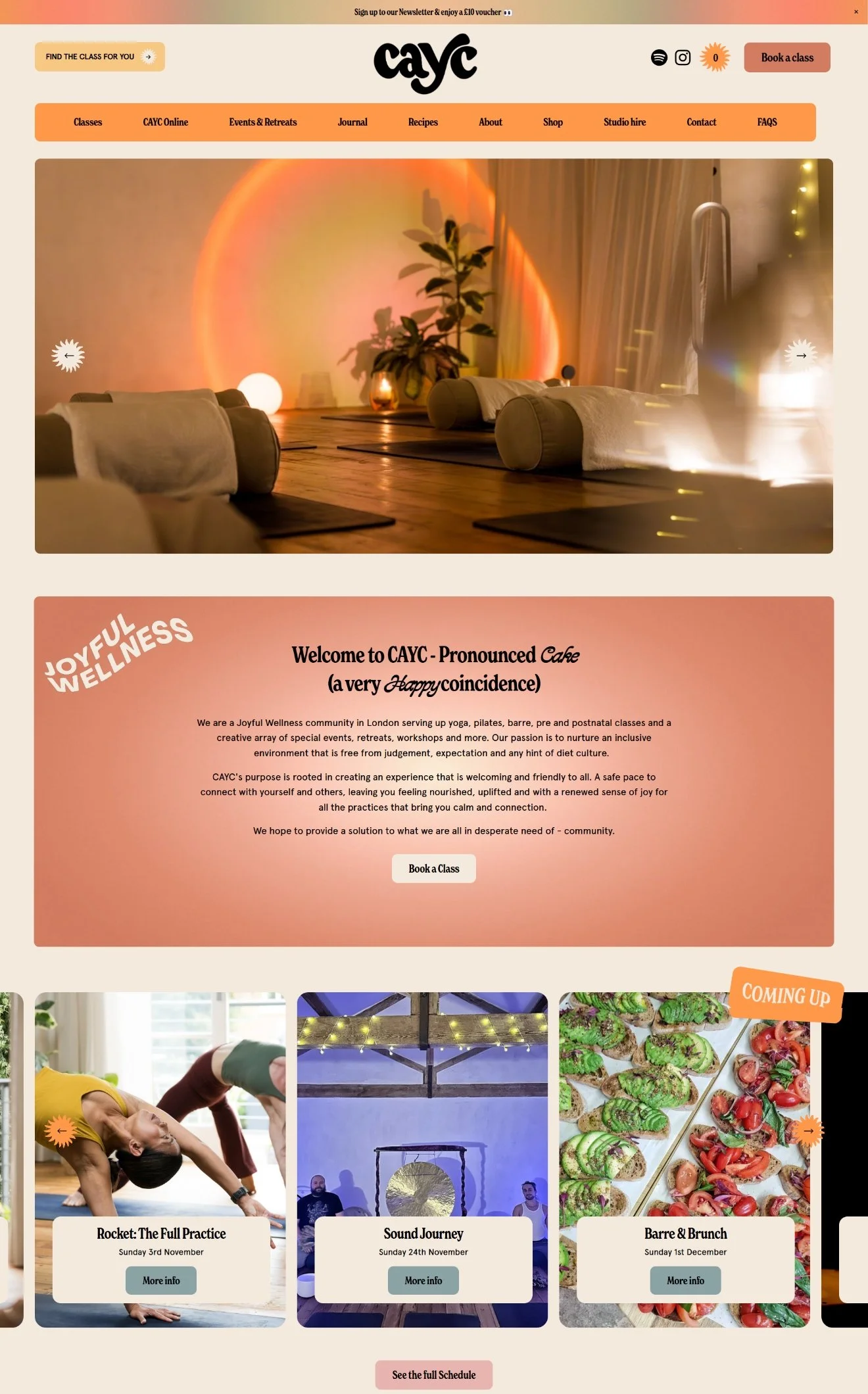
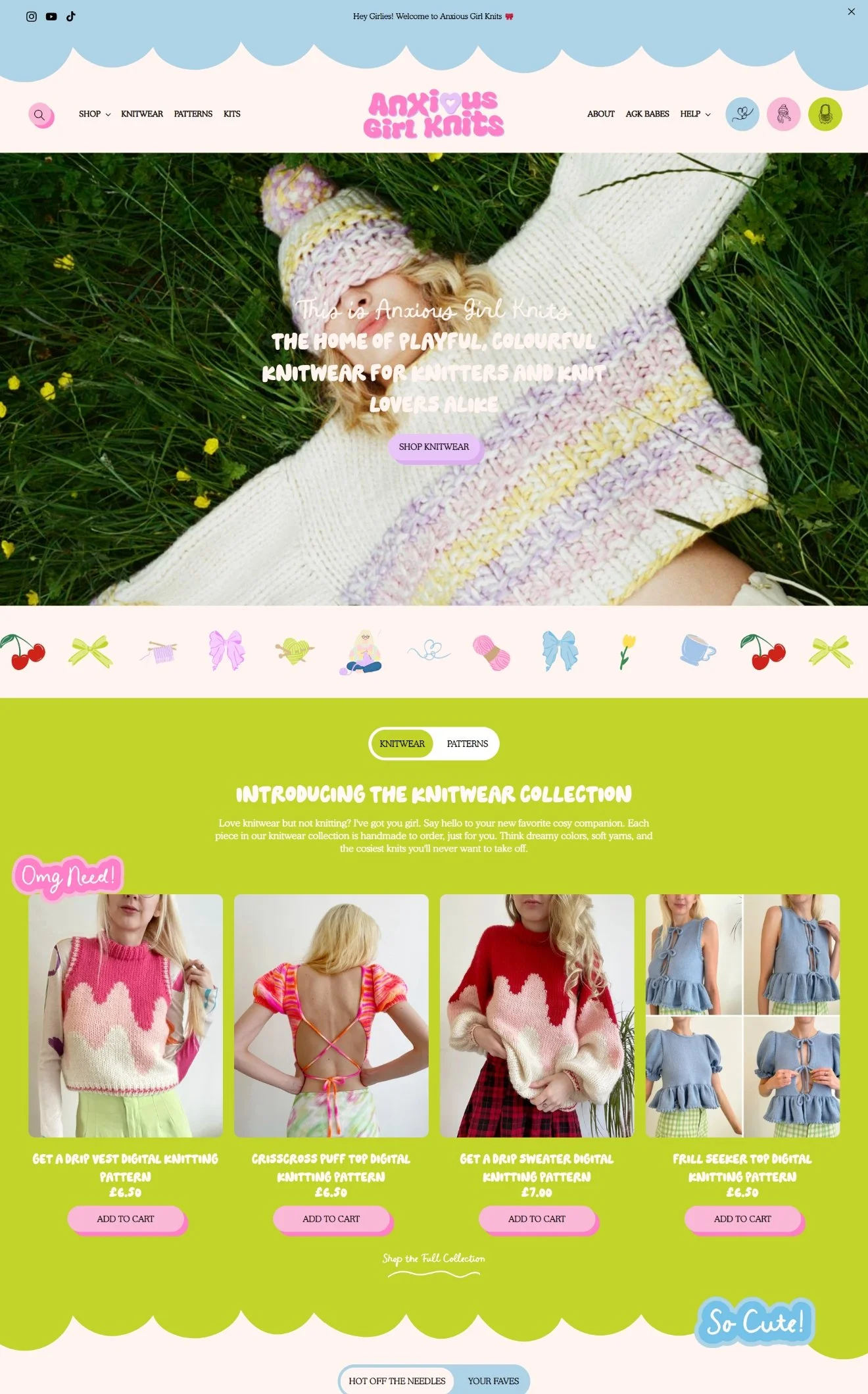
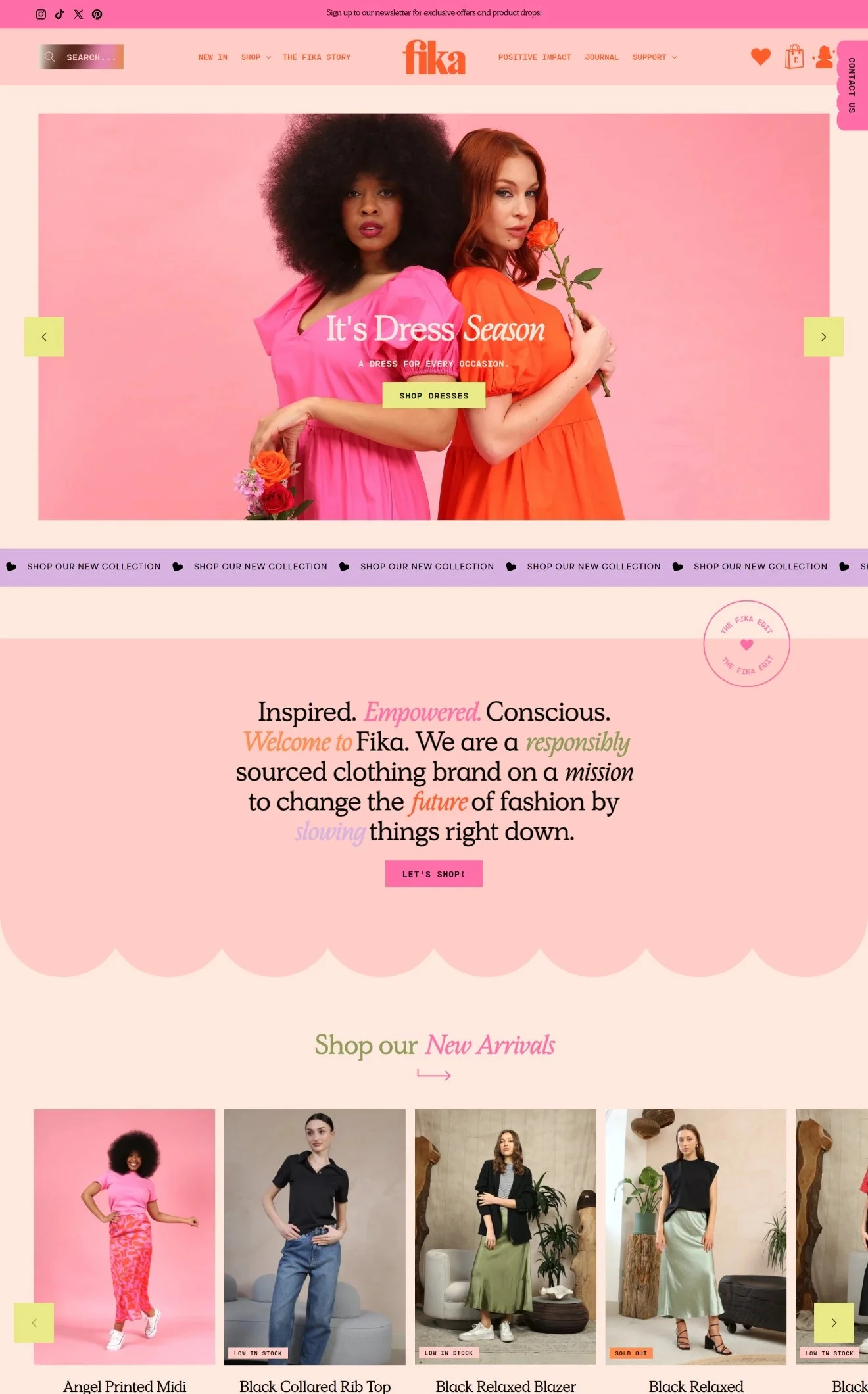
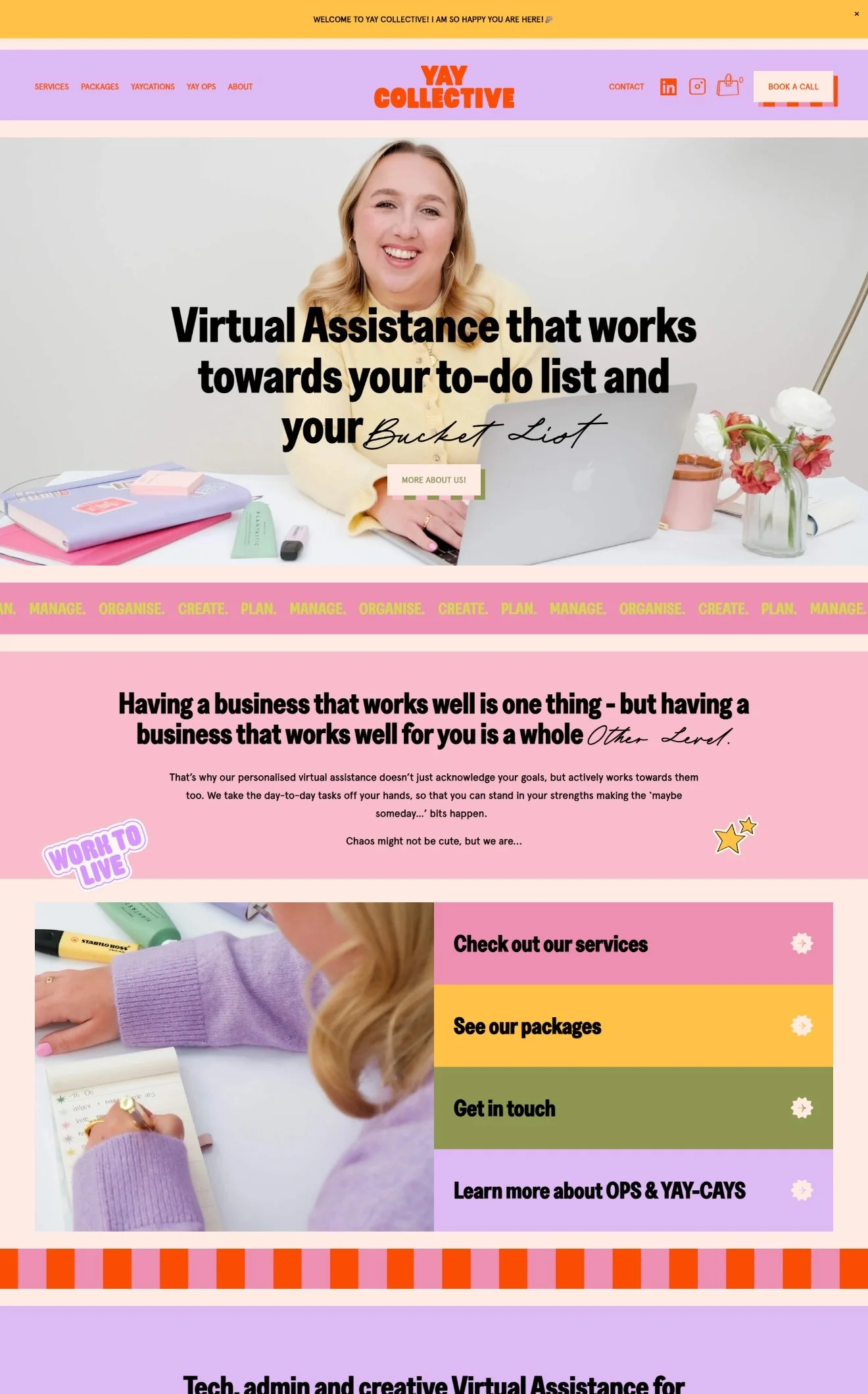
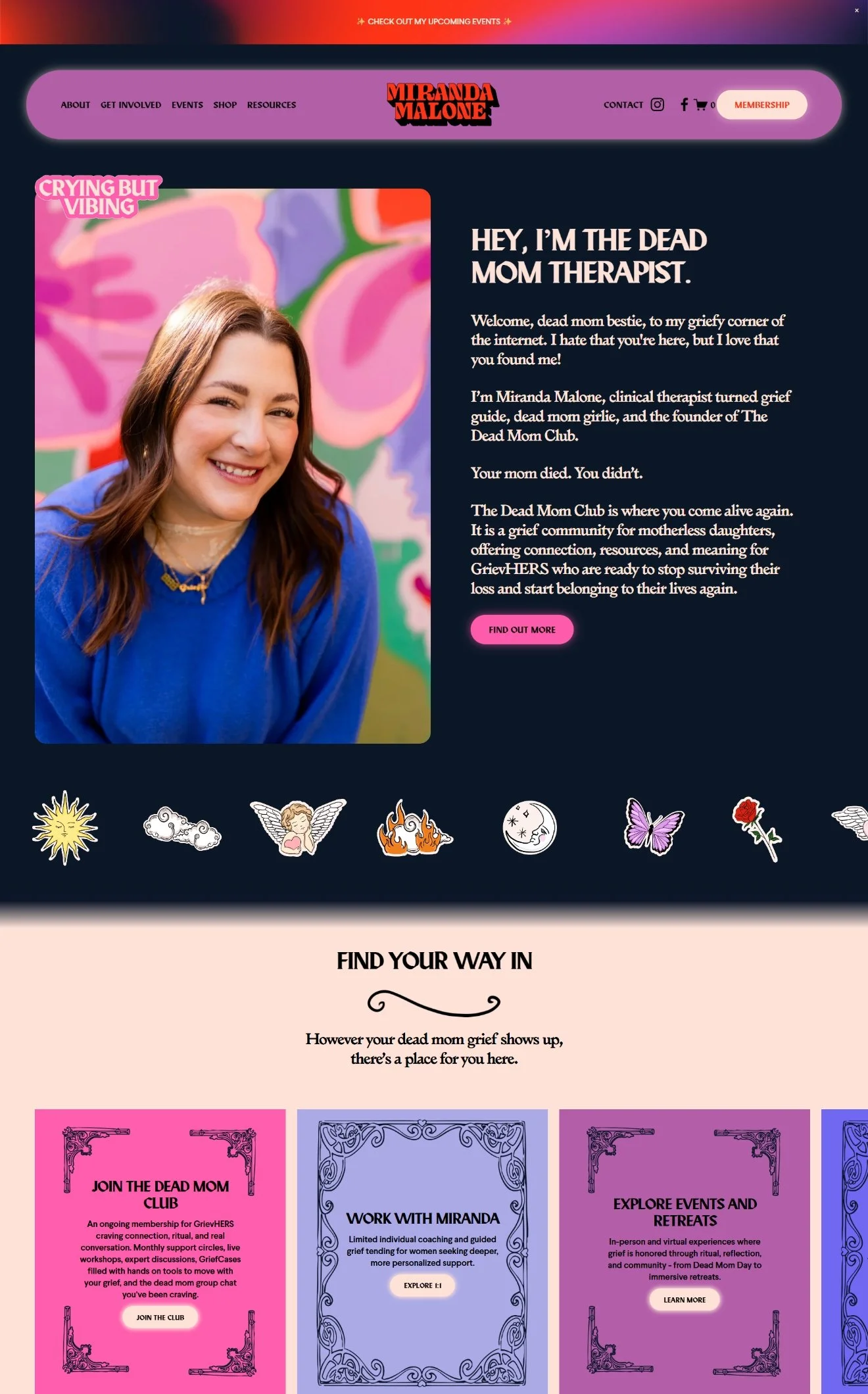
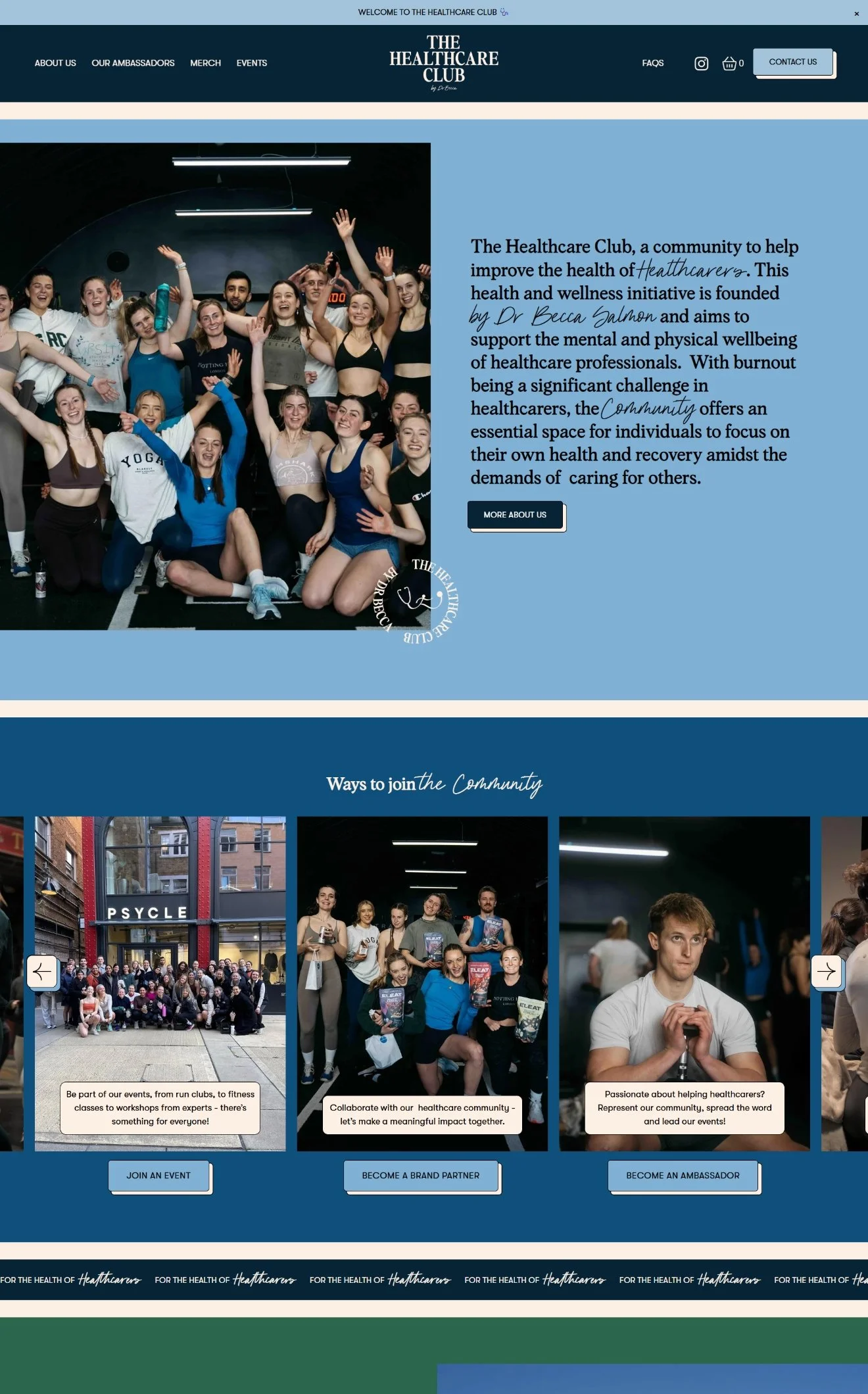
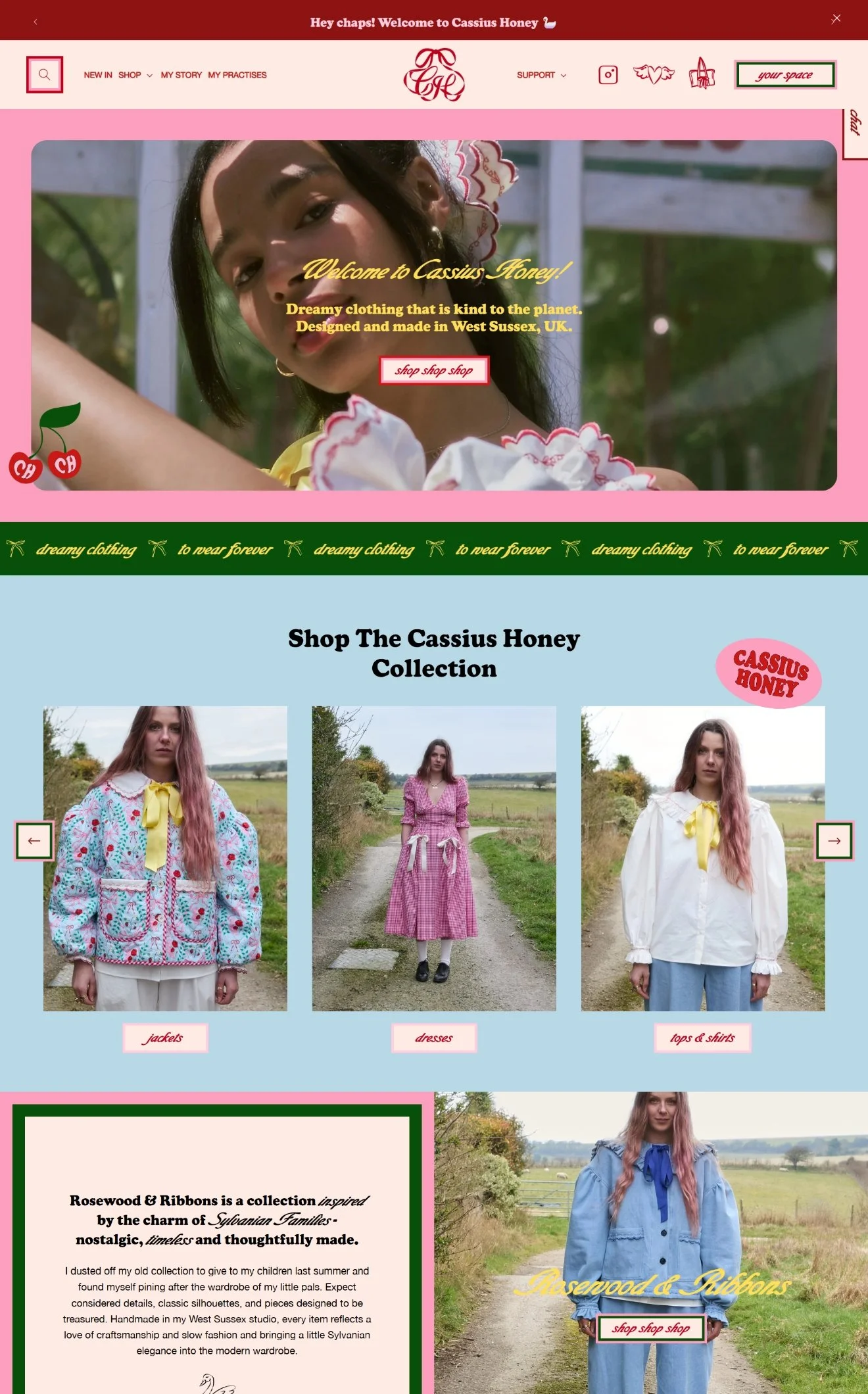
A selection of websites designed by Hey Girl Studio and developed by me!
Choose a Developer that's the right fit for you
Not every developer is the right developer for every designer. Some specialise in large ecommerce stores, while others focus on bespoke web applications. Likewise, some developers love working collaboratively with designers, while others prefer working directly with clients.
Before partnering with someone, consider things like:
Which platforms do they specialise in?
Does their portfolio match the level of design you're creating?
How do they communicate?
Do they understand the importance of design details?
Will they offer advice rather than simply saying yes to everything?
The relationship is just as important as the technical ability. You'll often be working together over several weeks, so choosing someone whose communication style matches yours makes the whole project much more enjoyable. For example, I have a very supportive, friendly working style and I work best with designers that get excited about their work while being respectful.
Think of your developer as a part of your team
The best projects never feel like two separate people working independently. Instead, they feel like a shared project where everyone wants the same outcome.
As the designer, you're bringing the visual direction, branding and user experience. As the developer, I'm translating that into a real life, functional website while making sure everything works across different screen sizes and balancing creative design with what’s possible within the chosen platform and is best for the user.
That means we're both experts in different areas.
(That said, I’m also a website designer as well as a developer which gives me the added advantage of advising on where the user experience could be improved to increase sales or to help your clients reach their goals).
Sometimes I'll suggest a slightly different technical approach that achieves a similar visual result but performs better, fits better with the limitations of the platform or is easier for your client to manage later. Equally, you'll spot design opportunities I wouldn't think about.
That's exactly how a collaboration should work.
Communication makes everything so much easier
Good communication saves so much time. That doesn't mean constant meetings or endless emails - in fact, I can’t stand pointless calls that could have been an email. It simply means keeping each other informed throughout the project.
For example:
Let your developer know if the project timeline changes, especially if contracts and project timelines need to be adjusted.
Mention if the client is likely to request several rounds of feedback - this would need to be scoped for or the clients expectations would need to be managed. For example, make it clear to the clients how many rounds of revisions are included and what is a reasonable revision once the design has been approved.
Flag any areas you're unsure about before development starts.
Ask questions if you're not certain something is technically possible (I personally love seeing your more creative ideas and we can work together to see if it’s possible!)
I'd much rather answer a quick question early than spend several hours rebuilding something later because it wasn’t what you imagined.
Approve the Design Before Development Begins
One of the biggest causes of delays is beginning development before the design has been fully approved.
It can be tempting to "just get started", especially if deadlines are tight.
However, changing layouts once development has begun is very different from moving a few frames around in Figma or Adobe XD
Development should only begin once:
The client has signed off the design.
Content has been finalised (or is close to final).
Imagery has been chosen (or the client has agreed to work with stock imagery and then they can update the images when they have them at a later date).
The key functionality has been agreed.
Any custom interactions have been designed.
The clearer the design is before coding starts, the smoother the entire project becomes.
Design the interactions you want to see upfront
A good website isn't just made up of static pages, it moves, scrolls and flows. Think about:
Hover effects
Button animations
Image interactions
Scroll effects
Sticky elements
Sliders
Pop-ups
Loading animations
Mobile behaviour
This is something that's often overlooked by new website designers that haven’t collaborated before. If there's a specific interaction you want, make sure to include it during the design phase. Otherwise the developer will have to work with what they’ve got or decide for you.
Developers don't automatically know how you want something to behave. If an interaction hasn't been designed or discussed, we'll make sensible decisions based on the layout, but those decisions might not quite match your vision.
More importantly, some sections are built in ways that make certain interactions or even spacing possible from the beginning. If those requirements only come up after development is complete, implementing them later may require rebuilding the section entirely which could lead to extra costs. Even seemingly simple changes can lead to big changes to the structure of the code. So, the more information you can provide before development starts, the closer the finished website will be to the design you imagined.
Respect goes both ways
A good partnership works because there's mutual trust and respect. As a designer, you've spent time crafting a thoughtful user experience. As a developer, I've spent years learning how to build websites that work well, are accessible and are easy for clients to manage.
Sometimes I'll suggest a different technical solution and sometimes you'll explain why a design detail is important. Neither approach is about being "right", it's about finding the best solution together that’s realistic and within the scope of the project.

Scope projects clearly from the start
Most project problems are actually scope projects, rather than development problems. A vague brief can lead to unexpected requests later, which can create awkward conversations for everyone involved.
So, before development begins, make sure you've defined things like:
How many unique page templates are included?
Which pages need to be built?
Are there any custom sections?
Will there be animations?
Are there custom forms?
Is ecommerce included?
How many products need setting up?
Are third-party integrations required?
Are there any multilingual requirements?
Are there any unique requests that go beyond a typical website?
The clearer the scope, the easier it is to quote accurately and keep the project running smoothly and make sure we’re all happy (that’s me, you and your client).
Manage client feedback and expectations carefully
When there's a third person involved, managing client feedback becomes even more important.
As a developer, I carefully schedule projects in advance, often months ahead. If client feedback is delayed by several weeks, it doesn't just impact your project - it can affect other projects in my schedule too. Because I've reserved dedicated time for your project, I can't always simply pause the work and come back to it later. In some cases, prolonged delays may mean you lose your allocated development slot altogether, and the project will need to be rebooked when my availability allows.
That's why it's so important that your contract clearly sets out feedback deadlines and explains what happens if they're missed. This protects everyone involved, helps keep the project moving, and ensures clients understand that development time is booked and reserved in advance. Where delays go beyond the agreed timeframe, your contract should state that the project may be removed from the schedule and cancellation, restart or rebooking fees may apply.
Your contract should outline expected feedback timeframes and make it clear that these deadlines help keep the project on schedule for everyone involved. It should also explain that significant delays beyond the agreed timeframe may result in the project being paused, rescheduled or, in some cases, cancellation or restart fees if work needs to be rebooked.
Setting these expectations early protects both you and your development partner, while also helping your client understand the importance of timely communication.
It's also worth covering:
How many rounds of revisions are included.
When feedback is expected.
What happens if feedback is significantly delayed.
That major design changes after development has begun may require additional development time and incur extra costs.
Having these conversations from the outset makes the entire process much smoother and helps ensure everyone knows what to expect before the project begins… and if a client has issues with those requirements, then maybe they’re not the best fit client.
Understand platform limitations
Every platform has pros and cons - Squarespace and Shopify are very flexible, but they aren't completely limitless.
Part of my role is helping you understand what's achievable within the platform you're designing for and within the clients budget. Sometimes that means a simple solution, or other times there’s a clever workaround that will achieve a similar result for the client while balancing the limitations of the platform we’re working with.
Occasionally, I'll recommend simplifying an idea because it will improve performance or usability without compromising the overall design and having those conversations early usually leads to a better website and happier client.
The skills you'll need as website designer
You don't need to know how to code or be overly ‘techy’ to work with a developer - that's where I come in.
However, there are a few skills that make the collaboration much smoother.
Ideally you'll be comfortable using design software such as Figma or Adobe XD so you can provide organised website mock-ups with clear layouts.
A basic understanding of user experience (UX) is also important. You don't need to be an expert, but understanding concepts like hierarchy, spacing, accessibility and responsive design helps ensure your designs translate well into a real website - and if you get stuck at any point, just ask me! I’m happy to give you advice before you present ideas to your client 🙂
Why outsourcing development is worth it
Many designers initially outsource development because they don't enjoy coding or the technical side of building a website. But they often stay because they realise how much it changes their business.
When you aren't spending evenings troubleshooting CSS or watching tutorials, you have more time to:
Focus on creating stronger designs.
Take on more client projects.
Offer services you previously turned away.
Build websites that feel more bespoke and therefore more premium.
Deliver a better experience for your clients.
Instead of designing around your technical knowledge, you can design around what's best for the client and collaborate with a developer to bring it to life.
Finding the right developer for you
If you're trusting someone with your designs and your client relationships, finding the right developer matters.
Look for someone who:
Specialises in the platforms you want to work with.
Values design just as much as functionality.
Communicates clearly throughout the project.
Is honest about what's possible (and what isn't).
Offers solutions rather than technical jargon.
Feels like an extension of your own business.
The right developer shouldn't simply build your designs. They should help you create a smoother process, support you when technical questions come up and make you feel confident taking on projects that push your creative skills.
Ready to Collaborate?
If you're a branding or website designer looking for a reliable Squarespace or Shopify developer, I'd love to work with you.
Whether you need ongoing development support or help with a one-off project, my goal is simple: to make the technical side feel straightforward, so you can focus on creating incredible designs for your clients.